Japan Considers Easing Import Car Reviews in Bid for Tariff Exemption as US-Japan Tariff Tussle EscalatesJapan Considers Easing Import Car Reviews in Bid for Tariff Exemption as US-Japan Tariff Tussle Escalates
New Zealand's Housing Loan Risks Accumulate Despite Interest Rate CutsNew Zealand's Housing Loan Risks Accumulate Despite Interest Rate Cuts
Canadian Manufacturing in Gloom as Trade War Fuels Recession FearsCanadian Manufacturing in Gloom as Trade War Fuels Recession Fears
UK Economy Shows Mixed Signals: Ebbing Housing Policy and Pressured ManufacturingUK Economy Shows Mixed Signals: Ebbing Housing Policy and Pressured Manufacturing
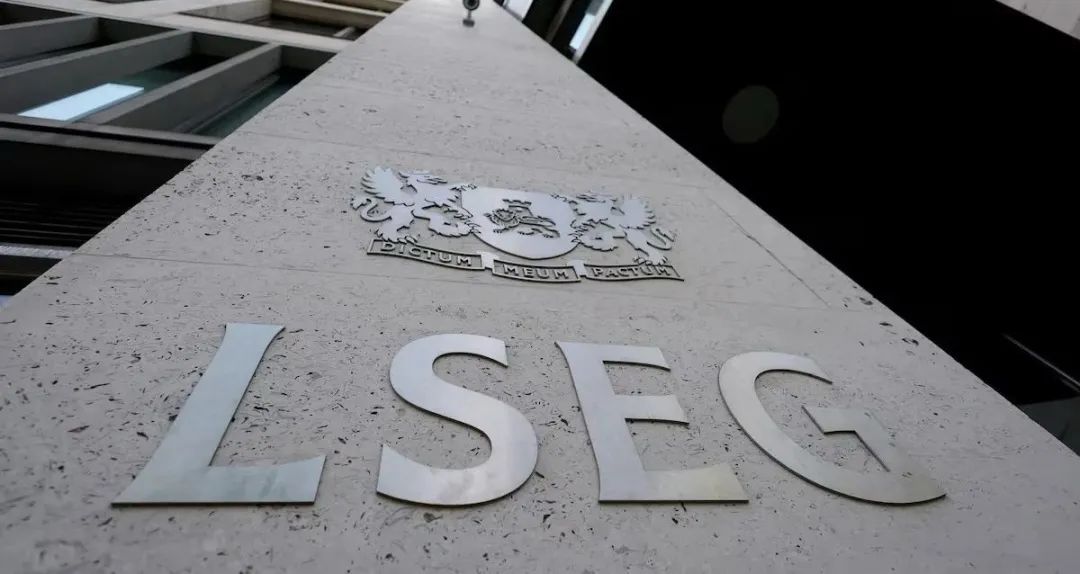
FTSE 100 Index Records 13 - day Winning Streak, but Macroeconomic Signals are MixedFTSE 100 Index Records 13 - day Winning Streak, but Macroeconomic Signals are MixedThe FTSE 100 index has witnessed a remarkable 13 - day consecutive gain, reaching a seven - year high. On May 2nd, it edged up 0.02% to 8,229.97. However, individual stocks showed a significant divergence. Rolls - Royce saw a 1.7% increase after confirming that tariff - relief measures would safeguard its annual targets.
One in Four French Households Live in Severely Under-Occupied Homes: Insee StudyOne in Four French Households Live in Severely Under-Occupied Homes: Insee StudyA study released by France’s National Institute of Statistics and Economic Studies (l'Insee) on Tuesday, July 8, reveals that a quarter of French households reside in severely under-occupied homes—defined as having at least three more rooms than actually needed. This phenomenon affects 7.6 million primary residences, 93% of which are single-family houses, with three-quarters of these under-occupied homes exceeding 100 square meters in size.
Buffett Warns Against Tariff Abuse at Berkshire Hathaway Annual MeetingBuffett Warns Against Tariff Abuse at Berkshire Hathaway Annual MeetingOn May 3rd, at the annual meeting of Berkshire Hathaway, Warren Buffett, the 94 - year - old billionaire investor, expressed his views on the risks of abusing tariffs. He emphasized that "tariffs should not be used as a 'weapon'", and stated that "if other countries become more prosperous, the United States will also become richer".
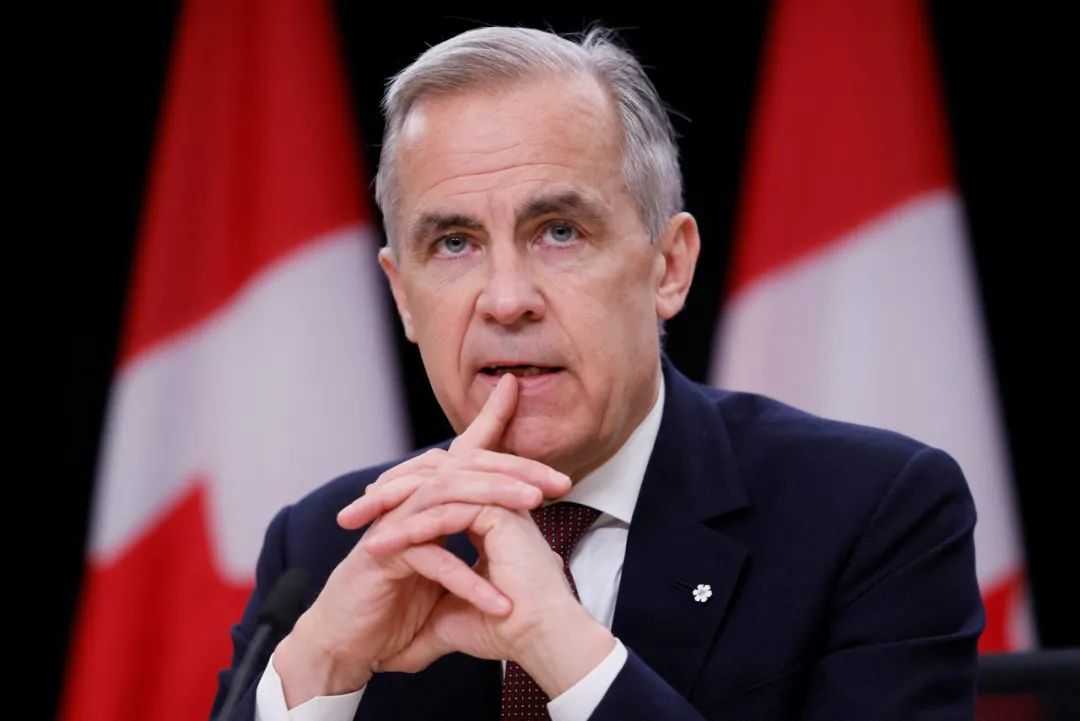
Canada Launches Largest - scale Economic Reform since WWIICanada Launches Largest - scale Economic Reform since WWIICanada's Prime Minister Carney has announced the launch of the largest - scale economic transformation since World War II. The core measures include tax cuts for the middle class starting from July (a two - income family can save 825 Canadian dollars annually), the removal of internal trade barriers within the federation, reducing the proportion of temporary workers and international students to less than 5% by 2027
Canadian Stocks Reach New Monthly High, Led by Industrials and Energy Sectors with Tariff Concerns LurkingCanadian Stocks Reach New Monthly High, Led by Industrials and Energy Sectors with Tariff Concerns LurkingOn May 2nd, the S&P/TSX Composite Index in Canada rose 1% to 25,031.51, hitting a one - month high with a weekly gain of 1.3%. The market was boosted by the better - than - expected US employment data, which alleviated recession concerns. Coupled with the easing of trade tensions between China and the US, risk appetite recovered
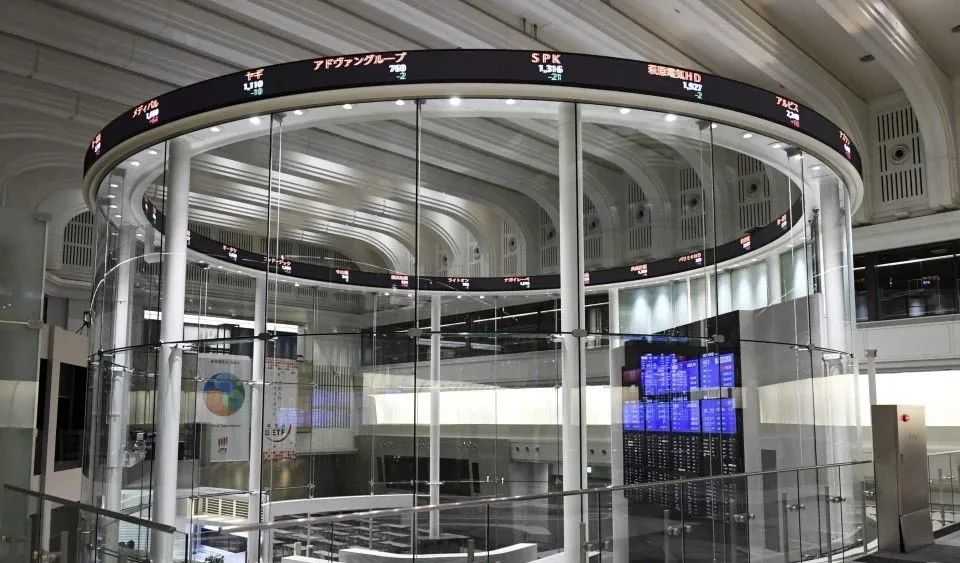
Tokyo's Nikkei Index Extends Winning Streak to Seven Days on Yen WeaknessTokyo's Nikkei Index Extends Winning Streak to Seven Days on Yen WeaknessTokyo's stock market continued its winning streak on May 2nd, with the Nikkei 225 index closing 378.39 points higher at 36,830.69, a 1.04% increase. This marks the seventh consecutive trading day of gains. The depreciation of the yen against the US dollar buoyed the market, with the export - oriented sectors leading the bulls. The index briefly approached the 37,000 - point mark during the session.
London Housing Crisis Worsens: Double Blow of Homelessness and Construction DilemmaLondon Housing Crisis Worsens: Double Blow of Homelessness and Construction DilemmaLondon is facing a worsening housing crisis. In the first quarter of 2025, the number of rough sleepers reached 4,427, an 8% year - on - year increase, hitting a new record high. The government spends £4 million daily to accommodate 183,000 homeless people, including 90,000 children.
UK Stocks Surge with Record - Long Rally, Led by Energy and Finance SectorsUK Stocks Surge with Record - Long Rally, Led by Energy and Finance SectorsThe UK's FTSE 100 index climbed 1.2% on May 2nd, registering its 15th consecutive daily gain and setting a new record for the longest streak of rises in its history. It is now just 3% below its March peak. Global trade tensions have eased, with signs of the US and China reopening negotiations on tariffs, and better - than - expected corporate earnings have boosted market sentiment and risk appetite.
Australian Consumer Spending Shows Signs of Moderate Recovery, Rate - Cut Expectations StrengthenedAustralian Consumer Spending Shows Signs of Moderate Recovery, Rate - Cut Expectations StrengthenedAustralia's retail sales in March increased by 0.3% month - on - month and 4.3% year - on - year, expanding for the third consecutive month, indicating the resilience of household consumption. Food retail led the growth with a 0.7% increase, mainly due to the fact that families in Queensland stocked up on necessities in response to Hurricane Alfred, which significantly drove up the transaction volume of this category. However, catering services and department store sales declined by 0.5%, reflecting that non - essential spending is still restrained. There is obvious regional differentiation.
S&P/ASX 200 Index Rises on Trade Talks HopeS&P/ASX 200 Index Rises on Trade Talks HopeThe S&P/ASX 200 index closed 92.4 points higher, or 1.13%, on Friday. Expectations of a possible easing of the China - US trade impasse drove the index to its best weekly performance in nearly two years and to a two - month high. The statement by the Ministry of Commerce that it is "evaluating" the request from US trade officials to launch trade negotiations further boosted investor confidence.
New Zealand: Housing Market Shifts to Buyer's Favor, Unemployment Rate May Reach Eight - year HighNew Zealand: Housing Market Shifts to Buyer's Favor, Unemployment Rate May Reach Eight - year HighAs winter approaches, New Zealand's real estate market is tilting further towards buyers. In April, the national average asking price for residential properties dropped for the second consecutive month to NZ$851,746, a 3.8% decrease from the peak in February. Major cities like Auckland and Wellington have seen significant declines. The surge in housing supply is the main pressure point, with the number of houses for sale doubling to 35,924 in four years. Although inventory has decreased slightly recently, sales activity has not picked up correspondingly.
France and Spain Face Hurdles in Economic Policy Adjustment: Fiscal Austerity and Military Spending PressureFrance and Spain Face Hurdles in Economic Policy Adjustment: Fiscal Austerity and Military Spending PressureIn France, on May 3rd, Prime Minister Bérut stated that in order to defuse the social backlash caused by large - scale fiscal austerity, he is considering holding a referendum on the national budget, claiming that debt reduction is crucial for the "future of the country" and requires a decision from the entire population.
Canada's Housing Demand Suppressed by Economic Recession FearsCanada's Housing Demand Suppressed by Economic Recession FearsCanada's housing market is facing a significant downturn as economic recession concerns weigh on potential homebuyers. A recent BMO survey reveals that 73% of would - be purchasers are adopting a wait - and - see attitude due to fears of an economic slump, a 13 - percentage - point increase compared to March.
Canadian Stocks Retreat Slightly Amid Oil Price Decline and Service Sector WoesCanadian Stocks Retreat Slightly Amid Oil Price Decline and Service Sector WoesOn May 5, the Canadian stock market experienced a slight pullback. The S&P/TSX composite index on the Toronto Stock Exchange dropped 27.99 points, or approximately 0.3%, closing at 24,953.52, bringing an end to the previous day's upward trend.
Japan Clarifies on US Debt and Participates in 10+3 Finance MeetingJapan Clarifies on US Debt and Participates in 10+3 Finance MeetingOn May 5th, Japanese Finance Minister Katsunobu Kato clarified in Milan, Italy, that Japan will not use the sale of its $1.3 trillion in US Treasuries as a bargaining chip in US trade negotiations, retracting his previous controversial remarks.
UK Family Income Disparities WorsenUK Family Income Disparities WorsenThe latest data from the UK's Office for National Statistics on May 2nd shows that, after inflation adjustment, the median disposable income of UK households remained at £36,700 for the fiscal year 2024 (from April 2023 to March 2024), returning to the pre - pandemic level. However, the wealth gap continues to widen. The median income of the poorest one - fifth of households decreased by 2.6% to £16,800, 4.9% lower than before the pandemic.