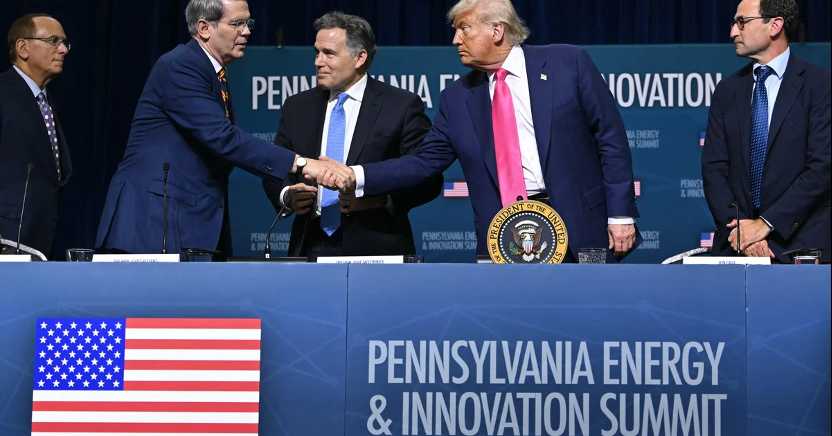
Trump Unveils $92B Investment to Build U.S. AI and Energy HubTrump Unveils $92B Investment to Build U.S. AI and Energy Hub
U.S. FAA: No Plans to Sign Communication Contract with Starlink for NowU.S. FAA: No Plans to Sign Communication Contract with Starlink for Now
Perplexity Eyes Post-Training with Moonlit's Kimi K2 Model for AI EnhancementPerplexity Eyes Post-Training with Moonlit's Kimi K2 Model for AI Enhancement
Meta Ignites Silicon Valley AI Talent War with $Billion Superintelligence Labs PushMeta Ignites Silicon Valley AI Talent War with $Billion Superintelligence Labs Push
OpenAI Unveils AI Browser Ambitions to Dethrone ChromeOpenAI Unveils AI Browser Ambitions to Dethrone ChromeOpenAI is poised to disrupt the global browser market with its upcoming AI-powered browser, designed to challenge Google Chrome’s 65.94% market dominance and reshape how users interact with the web. Built on the Chromium framework—the same foundation as Chrome—the browser integrates ChatGPT-style conversational interfaces and AI agent capabilities, aiming to transform passive browsing into an interactive, task-driven experience.
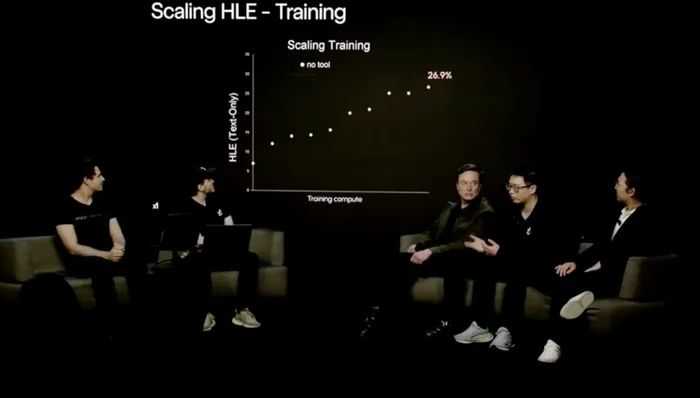
Musk Debuts Grok 4 as 'PhD-Level' AI, Achieves 44.4% on Humanity's Last Exam, Perfect AIME ScoreMusk Debuts Grok 4 as 'PhD-Level' AI, Achieves 44.4% on Humanity's Last Exam, Perfect AIME Scorelon Musk's xAI unveiled Grok 4 on July 9, positioning it as the "world's strongest AI" with PhD-level reasoning capabilities and multimodal advancements. The fourth major iteration of xAI's foundational model introduces five new voice modes, cuts response latency by half, and integrates real-time image/video processing, enabling culturally sensitive content analysis for social media platforms like X
EU Unveils Final AI Code of Conduct to Guide Compliance with AI ActEU Unveils Final AI Code of Conduct to Guide Compliance with AI ActThe European Commission on July 10 released the final version of the General-Purpose AI Code of Conduct, a voluntary framework designed to help companies adhere to the EU’s landmark Artificial Intelligence Act (AI Act) set to take effect on August 2. The guidelines apply to mainstream generative AI models like ChatGPT, Gemini, Llama, and Grok, outlining requirements for transparency, copyright compliance, and systemic risk management.
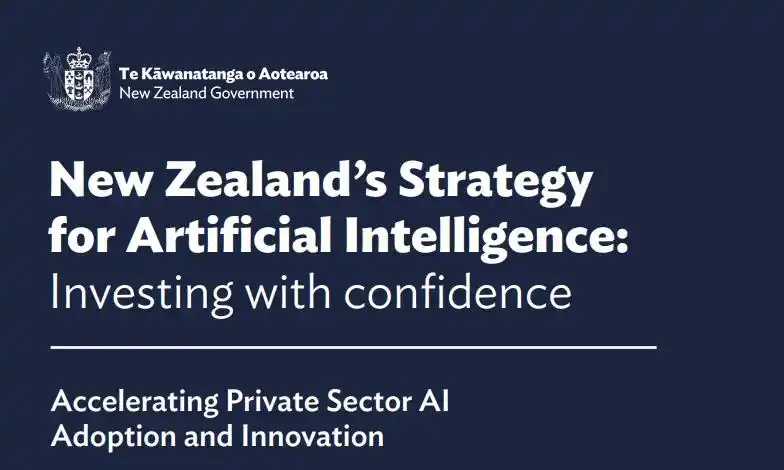
New Zealand Unveils First National AI Strategy to Boost CompetitivenessNew Zealand Unveils First National AI Strategy to Boost CompetitivenessThe New Zealand government on July 8 launched its first national AI strategy, outlining a roadmap to accelerate AI adoption, enhance productivity, and strengthen global competitiveness. The initiative comes as the country lags behind other advanced economies in AI readiness, with many businesses yet to plan AI adoption. Science, Innovation and Technology Minister Shane Reti stated the government will provide regulatory guidance to encourage responsible AI use, along with the Responsible AI Guide to help businesses use, develop and innovate AI in an ethical, transparent way that meets internati
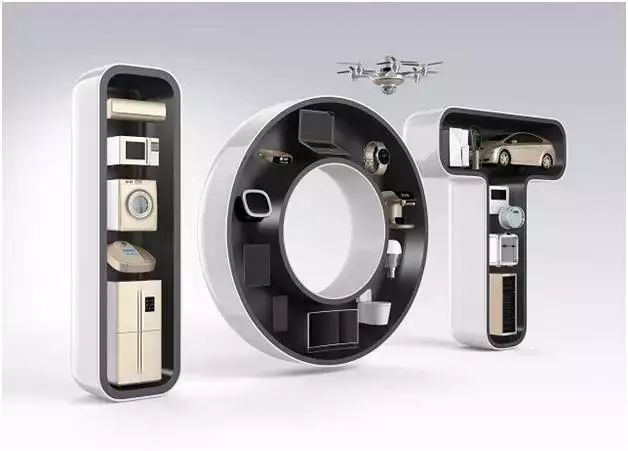
The Internet of Things: A Transformative Force in 2045The Internet of Things: A Transformative Force in 2045In 2045, even the most conservative forecasts project that over 100 billion devices will be connected to the internet. This vast network encompasses a wide array of devices, including mobile gadgets, wearables, household appliances, medical equipment, industrial sensors, surveillance cameras, automobiles, and even smart clothing. The data generated and shared by these devices is set to trigger a new information revolution, reshaping the way we work and live.
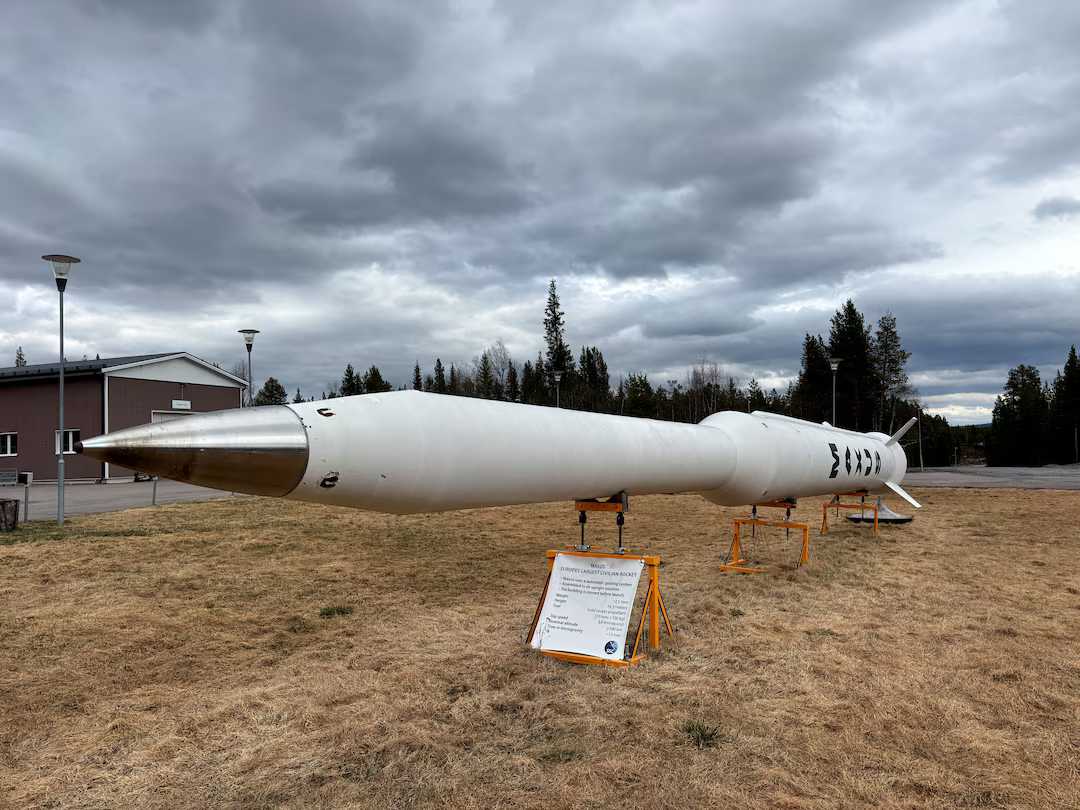
Europe Aims to Cut U.S. Reliance with Nordic Spaceport ProjectsEurope Aims to Cut U.S. Reliance with Nordic Spaceport ProjectsAs reported by Reuters on July 10, Europe is pushing forward with building domestic launch facilities in Sweden’s Esrange and Norway’s Andøya to reduce dependence on the U.S. and strengthen its independent space capabilities. The goal is to send satellites into orbit from the European continent for the first time. Previously, Europe’s only launch site was in French Guiana, South America—its remote location and high costs made it hard to meet rising commercial and military needs.
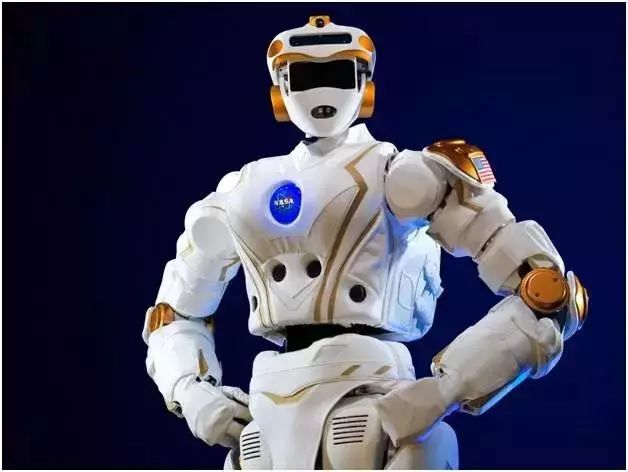
Robots and Automated Systems: Ubiquitous Forces in 2045Robots and Automated Systems: Ubiquitous Forces in 2045In 2045, robots and automated systems will be an omnipresent part of life on Earth. Self - driving cars are expected to make transportation safer and more efficient, potentially injecting new vitality into the sharing economy. Robots will undertake a vast array of tasks in daily life, such as caring for the elderly, grocery shopping, as well as industrial responsibilities like harvesting crops and maintaining public infrastructure.
Smartphones and Cloud Computing: Transforming How Humanity Interacts with DataSmartphones and Cloud Computing: Transforming How Humanity Interacts with DataSmartphones and cloud computing are revolutionizing the way humans engage with data. In the United States, for example, approximately 30% of web browsing and 40% of social media usage are now conducted via mobile devices. One of the key reasons behind this trend is the presence of various sensors in smartphones that can measure weather conditions, location, light intensity, sound, and biometric features.
Quantum Computing: Harnessing Subatomic Marvels for a New Era of ComputingQuantum Computing: Harnessing Subatomic Marvels for a New Era of ComputingQuantum computing leverages properties of subatomic particles, such as superposition and quantum entanglement, to encode and manipulate data. For decades, it remained a theoretical concept, but recent research has started yielding significant results. In the next 5 - 15 years, the creation of a practically useful quantum computer is highly likely.
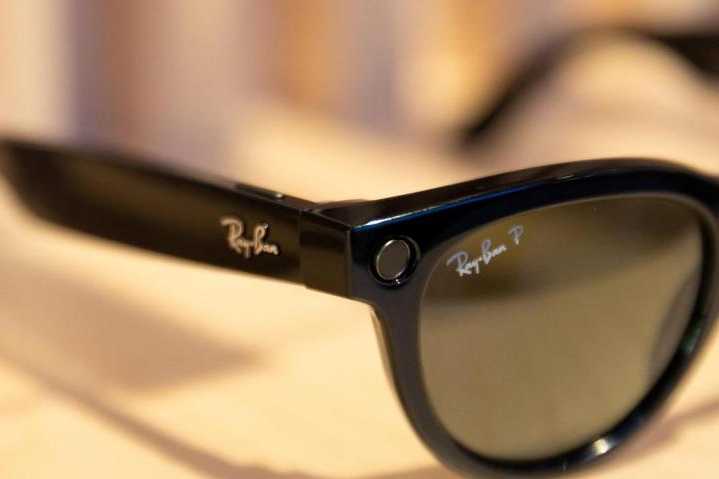
Meta Buys 3% Stake in EssilorLuxottica Asia-Pacific for $3.5B to Boost AI Glasses PushMeta Buys 3% Stake in EssilorLuxottica Asia-Pacific for $3.5B to Boost AI Glasses PushMeta has invested $3.5 billion to acquire roughly 3% of EssilorLuxottica’s Asia-Pacific unit, the world’s largest eyewear maker, in a bid to strengthen its artificial intelligence (AI) glasses business. Sources say Meta is considering raising its stake to around 5% in the future, signaling a shift to reduce reliance on smartphone platforms and build its own dedicated hardware ecosystem.
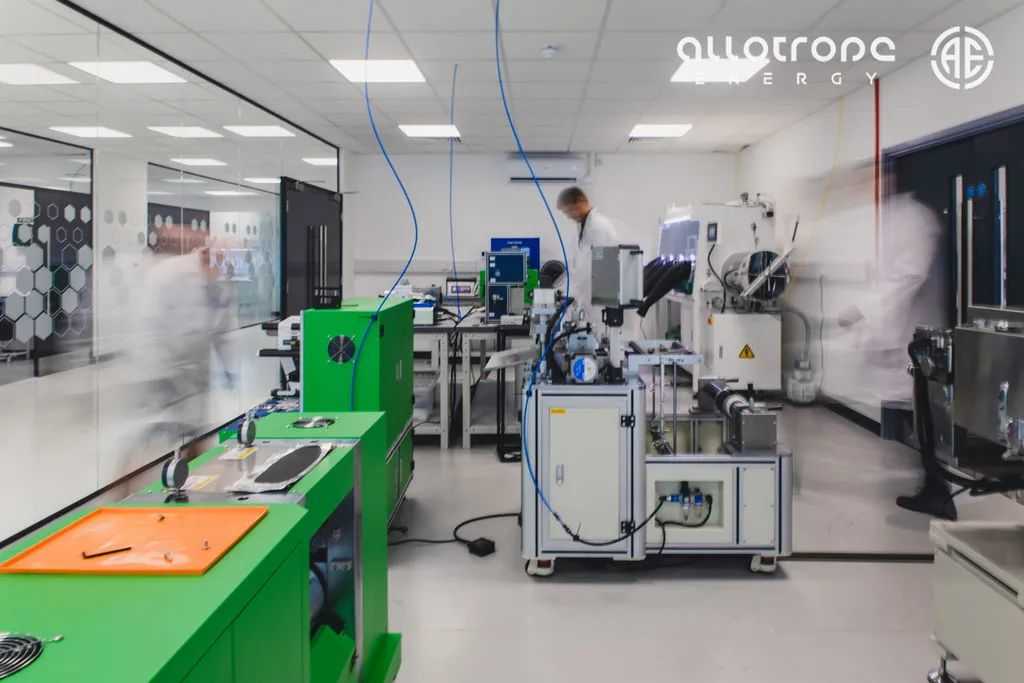
UK Startup Allotrope Energy Secures $6.7M for Revolutionary Supercapacitor, Partners with Brazilian Pulp FirmUK Startup Allotrope Energy Secures $6.7M for Revolutionary Supercapacitor, Partners with Brazilian Pulp FirmUK-based Allotrope Energy, a 2016-founded battery capacitor startup, has unveiled a groundbreaking super EDLC (electrochemical double-layer capacitor) set to disrupt automotive tech. It secured $6.7 million from Brazil’s Suzano Ventures, partnering with the pulp producer—known for paper products—to manufacture the innovation.
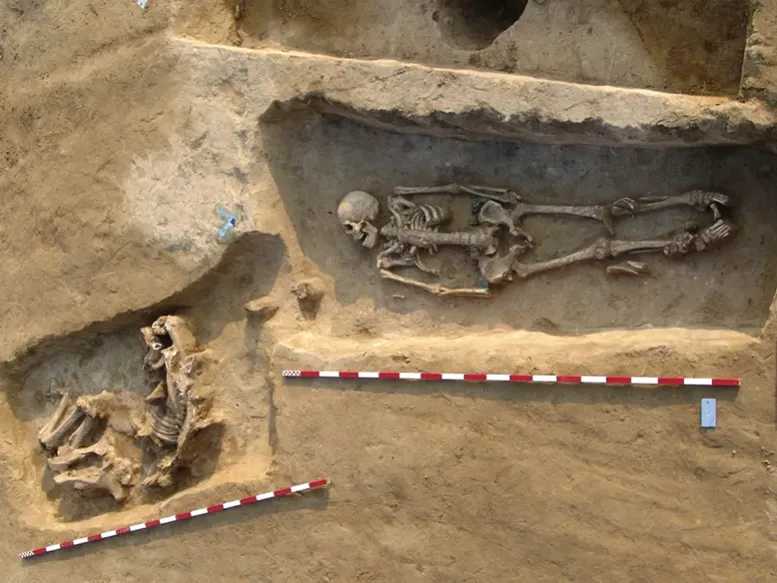
Ancient DNA Unravels Pre - historic Family Trees and Social StructuresAncient DNA Unravels Pre - historic Family Trees and Social StructuresScientists have successfully reconstructed the kinship networks of multiple ancient settlements through the genetic analysis of a large number of ancient human DNAs, with the longest network extending up to eight generations. This research has revealed social - structural features such as matrilineal or patrilineal inheritance and the layout of kinship cemeteries. Some individuals have even been traced to relatives thousands of miles away.
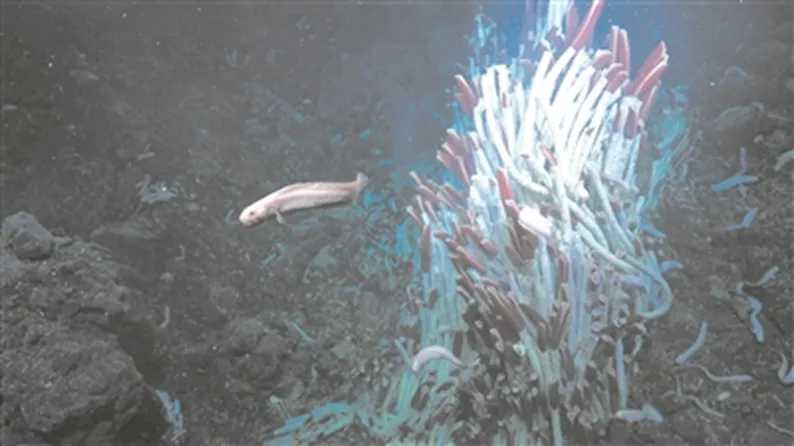
Animal Life Discovered at Hydro - thermal Vents of the East Pacific RiseAnimal Life Discovered at Hydro - thermal Vents of the East Pacific RiseScientists from Austria and the Netherlands have discovered animal life in the hydro - thermal vent area at a depth of 2,515 meters on the East Pacific seabed. The discovered species include large tube worms and sea snails. These living organisms are found in the warm, liquid - filled cavities within the rock fractures, indicating a possible connection between the sub - crustal ecosystem and the seabed ecosystem.
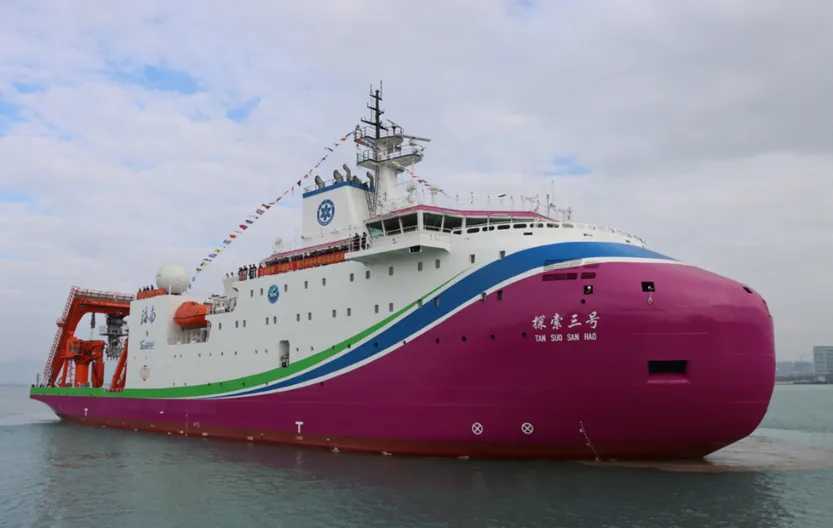
"Exploration - 3" Commissioned in Sanya, Boosting Manned Deep - sea Diving to Cover the Entire Sea Area"Exploration - 3" Commissioned in Sanya, Boosting Manned Deep - sea Diving to Cover the Entire Sea AreaXinhua News Agency, Sanya, December 29th – The "Exploration - 3", a multi - functional scientific research vessel independently built by China, arrived at the Nanshan Port Public Scientific Research Wharf in Sanya Yazhou Bay Science and Technology City on December 29th, 2024, and was officially commissioned. This event marks a significant breakthrough in China's deep - sea exploration capabilities.
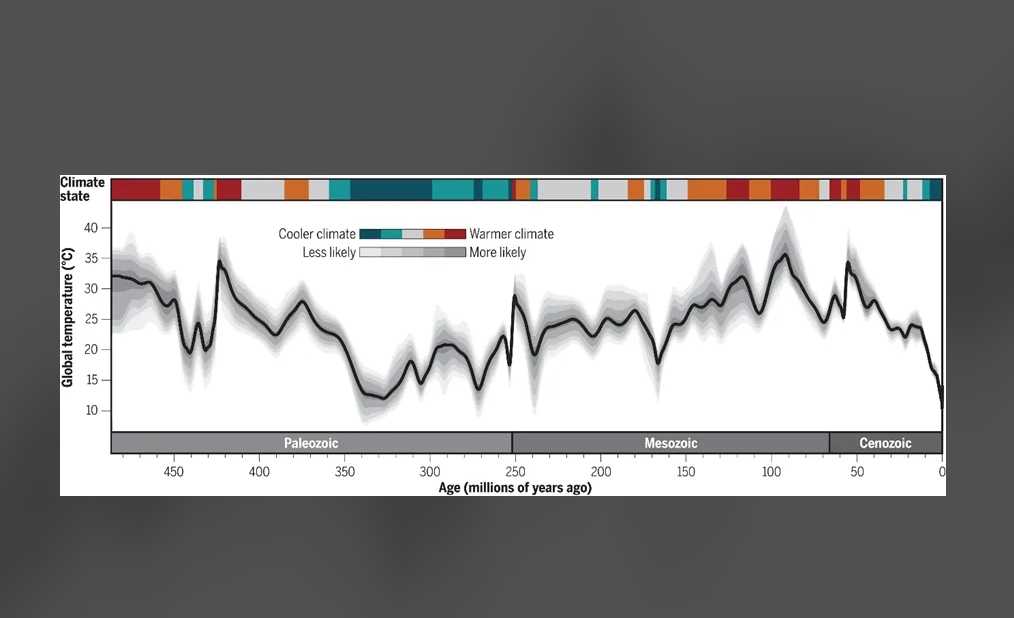
Carbon Dioxide Has Governed Earth's Climate Change for Nearly 500 Million Years, New Research Unveils Deep - time Climate Evolution MapCarbon Dioxide Has Governed Earth's Climate Change for Nearly 500 Million Years, New Research Unveils Deep - time Climate Evolution MapRecently, scientists from the United States have reconstructed the curve of Earth's average temperature changes over the past 485 million years. By integrating 150,000 paleoclimate records with model simulations, they found that extreme warming events on Earth are highly correlated with the increase in CO₂ concentration. This research was published in the journal Science.
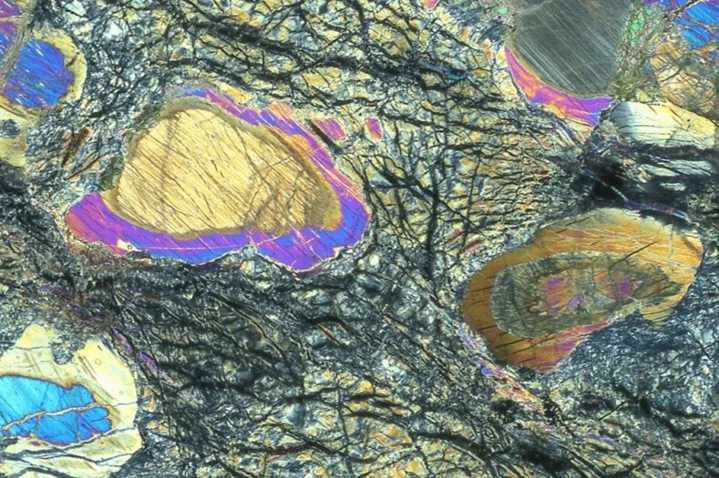
Scientists Drill Deep into Mantle, Obtain Deepest - ever Mantle Core SampleScientists Drill Deep into Mantle, Obtain Deepest - ever Mantle Core SampleAn international team of scientists has successfully drilled a 1,268 - meter - long mantle core in the Mid - Atlantic Ridge. This is the deepest mantle sample ever retrieved from the ocean floor, mainly composed of serpentinized peridotite, revealing the long - term reaction records between the mantle and seawater.