Energy Revolution to Reshape Global Landscape Over Next 30 YearsEnergy Revolution to Reshape Global Landscape Over Next 30 Years
Quantum Computing: Poised to Transform Technology in Coming DecadesQuantum Computing: Poised to Transform Technology in Coming Decades
Mixed Reality: Merging VR and AR to Reshape Tech LandscapeMixed Reality: Merging VR and AR to Reshape Tech Landscape
Emerging Weapons Technologies to Reshape Battlefields Over Next 30 YearsEmerging Weapons Technologies to Reshape Battlefields Over Next 30 Years
Microsoft to Cut 9,000 Jobs Globally Amid AI Chip DelaysMicrosoft to Cut 9,000 Jobs Globally Amid AI Chip DelaysMicrosoft announced plans to lay off approximately 9,000 employees worldwide, about 4% of its workforce, marking a major restructuring as it enters the 2026 fiscal year. The cuts, spanning multiple teams and roles, extend layoffs from May and June, aiming to reduce management layers and boost operational agility amid fast-changing tech and market conditions.
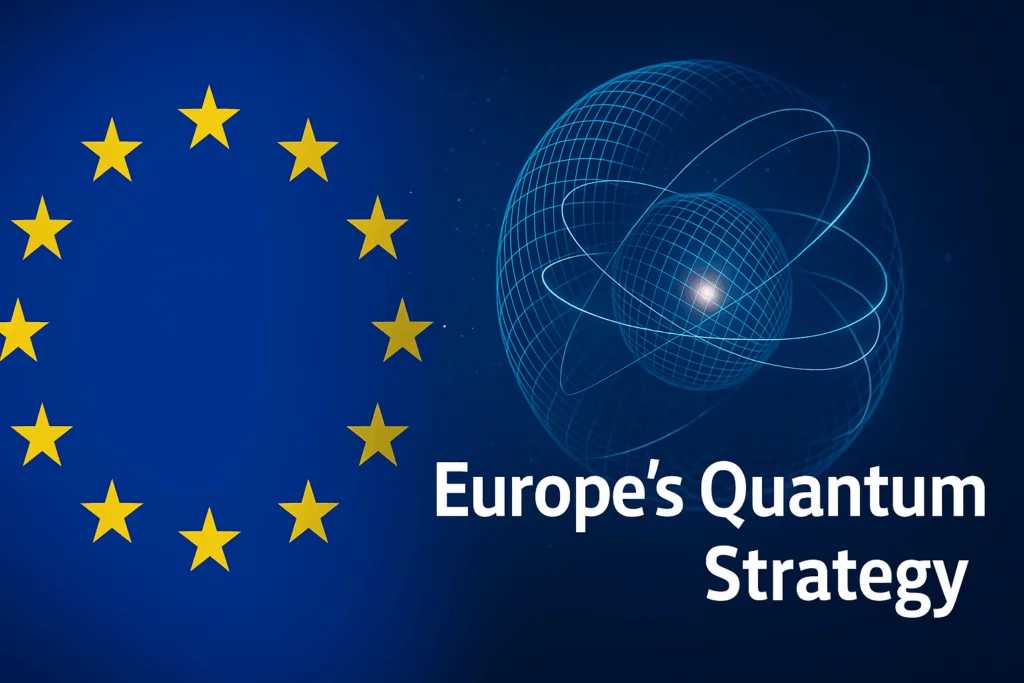
EU Unveils "European Quantum Strategy" to Lead Global Quantum Tech by 2030EU Unveils "European Quantum Strategy" to Lead Global Quantum Tech by 2030The European Commission officially released the "European Quantum Strategy" on July 2 local time. Highlighting Europe's strengths, the strategy aims to build a resilient and sovereign quantum ecosystem, positioning Europe as a global leader in quantum technologies by 2030.
Hong Kong Unveils Ambitious Digital Asset Policy 2.0 to Lead Global RaceHong Kong Unveils Ambitious Digital Asset Policy 2.0 to Lead Global RaceHong Kong has launched its Digital Asset Policy Statement 2.0, marking a pivotal upgrade from its 2022 predecessor to solidify its position as a global leader in digital assets. The June 27 announcement emphasizes stablecoin regulation and asset tokenization as core priorities, aligning with the U.S. Senate’s recent passage of the Genius Act to regulate stablecoins, signaling intensified global competition in this burgeoning sector.
IQM Achieves Quantum Computing Profitability by Emulating SpaceX's Early Revenue ModelIQM Achieves Quantum Computing Profitability by Emulating SpaceX's Early Revenue ModelFinnish quantum computing firm IQM has achieved early-stage profitability by leveraging a SpaceX-inspired strategy of selling pre-commercial quantum systems to government-backed research institutions and supercomputing centers, CEO Jan Goetz announced at The Next Web (TNW) conference. This approach has generated over €90 million ($100 million) in orders since its 2018 founding,
Trump Administration Moves to Speed Up Offshore Critical Minerals ExplorationTrump Administration Moves to Speed Up Offshore Critical Minerals ExplorationThe Trump administration announced on June 25 that it will accelerate exploration and development of offshore critical minerals, foreign media reported.
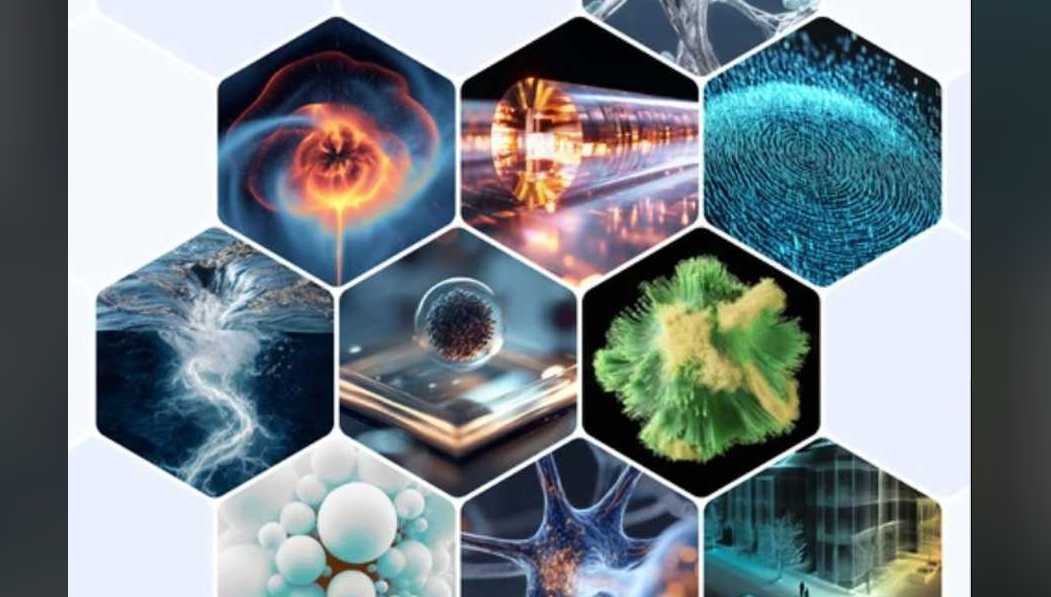
WEF Unveils Top 10 Emerging Technologies of 2025 at Summer DavosWEF Unveils Top 10 Emerging Technologies of 2025 at Summer DavosAt the 16th Summer Davos Forum on June 25, the World Economic Forum (WEF) officially released its 2025 list of Top 10 Emerging Technologies. The selected technologies include collaborative sensing, generative watermarking, green nitrogen fixation, nanozymes, engineered living therapies, GLP-1 drugs for neurodegenerative diseases, autonomous biochemical sensing, structural battery composites, osmotic energy generation systems, and advanced nuclear energy technologies.
China, Hong Kong Launch Cross-Border Payment Connect SystemChina, Hong Kong Launch Cross-Border Payment Connect SystemChina’s central bank and Hong Kong’s monetary authority launched "Payment Connect" on June 22, linking mainland China’s Online Interbank Payment Clearing System (IBPS) with Hong Kong’s Faster Payment System (FPS) to enable real-time cross-border remittances. The initiative, announced in a joint statement on June 20, aims to streamline cross-border transactions for residents in both regions.
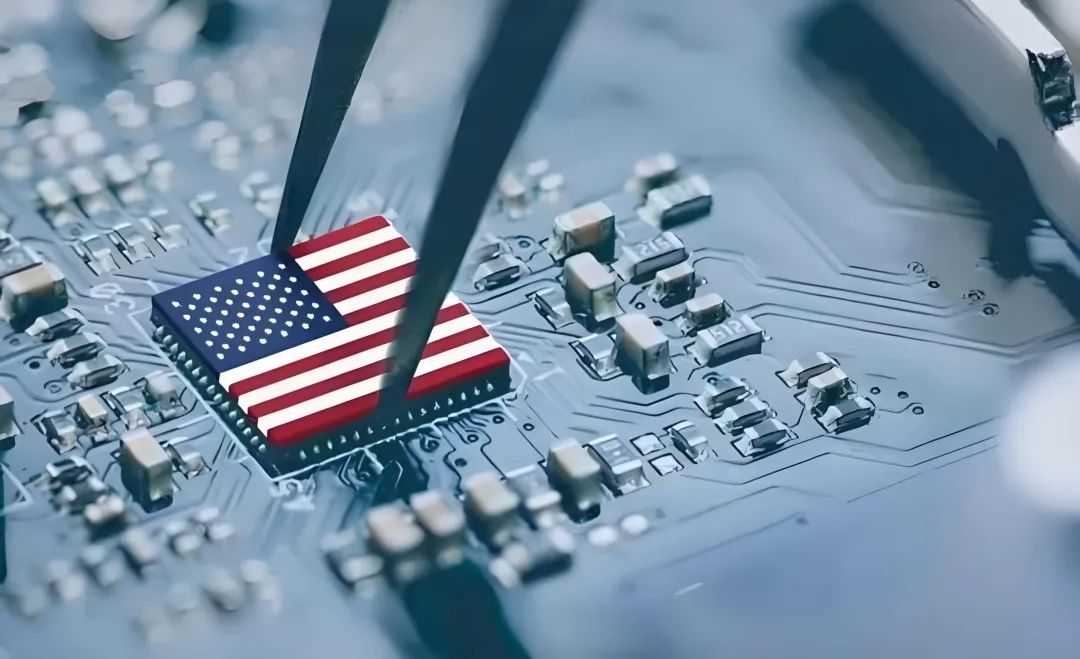
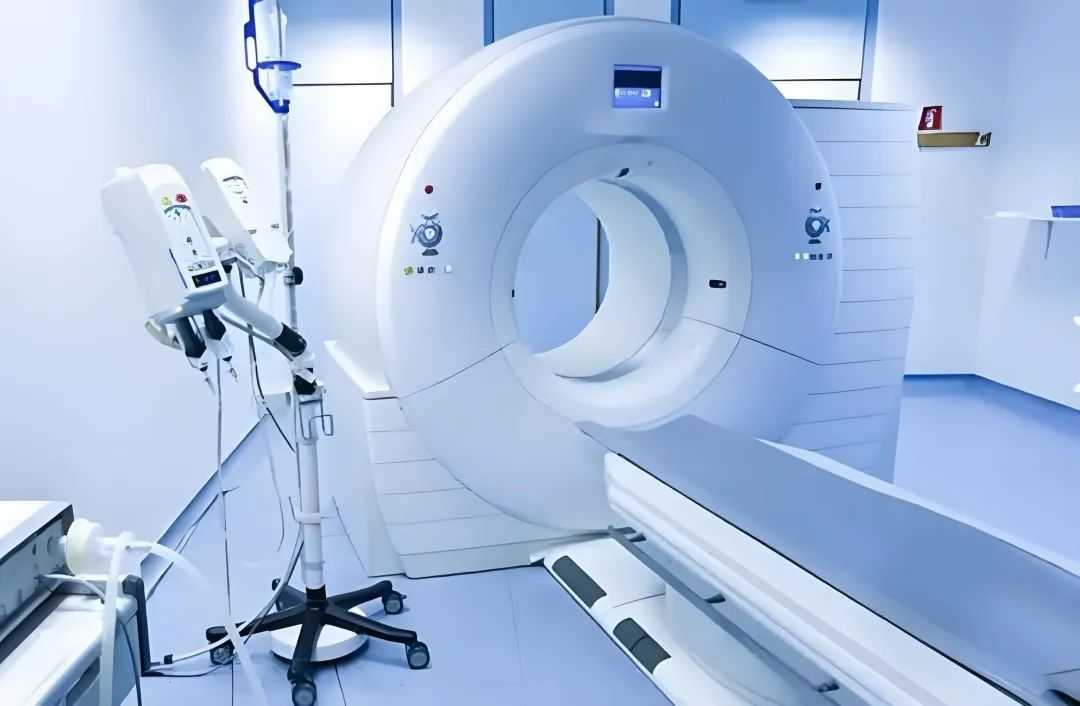
The United States: A Global Leader in Economy and TechnologyThe United States: A Global Leader in Economy and TechnologyAs the world’s universally recognized most developed nation, the United States has long dominated the global economy, consistently ranking first in economic power. Its technological prowess equally leads the world, with the nation achieving numerous global firsts in fields such as healthcare, electronic information, aerospace, and nuclear industry within its short 200 - year history. At the heart of this technological dominance is Silicon Valley, located in the southern San Francisco Bay Area of Northern California.
Japan's Surge in High - Tech Innovation: Outpacing Global GiantsJapan's Surge in High - Tech Innovation: Outpacing Global GiantsJapan’s unwavering investment in scientific research has propelled it to the forefront of global technology, with breakthroughs in high - end sectors challenging even the dominance of the United States. Fueled by substantial government funding and a culture of technological excellence, the country has transformed its economy into a hub of innovation, leveraging cutting - edge research to redefine industry standards across multiple fields.
Germany’s Technological Prowess: Key Strengths and InnovationsGermany’s Technological Prowess: Key Strengths and InnovationsGermany has established itself as a global leader in technology, with distinct strengths in several cutting - edge sectors. From quantum technology to advanced engineering, the country’s technological dominance stems from strategic investments, a culture of innovation, and a highly skilled workforce. Here’s a closer look at its key areas of excellence.
Canada: A Multifaceted Technological TrailblazerCanada: A Multifaceted Technological TrailblazerCanada has emerged as a dynamic force in the global technology arena, excelling across diverse sectors from aerospace to artificial intelligence. Fueled by robust research ecosystems, a skilled workforce, and strategic government investments, the nation’s technological strengths span multiple domains, positioning it as a key player in innovation - driven industries.
Israel: A Technological Dynamo in Semiconductors, Agriculture, and DefenseIsrael: A Technological Dynamo in Semiconductors, Agriculture, and DefenseDespite its small size, Israel has emerged as a global technological powerhouse, particularly excelling in the semiconductor industry, agricultural technology, and defense science. These sectors not only underpin its economic growth but also have far - reaching global impacts.
Sweden: A Hidden Gem in the Global Tech LandscapeSweden: A Hidden Gem in the Global Tech LandscapeOften underestimated on the global stage, Sweden quietly stands as a technological powerhouse, excelling in diverse sectors from telecommunications to sustainable energy. With a long - standing commitment to innovation and research, the nation has transformed its relatively small economy into a hotbed of cutting - edge advancements, making significant contributions to industries worldwide.
The United States: Dominating the Nobel Prize LandscapeThe United States: Dominating the Nobel Prize LandscapeAs the world’s sole remaining superpower, the United States has long reigned supreme on the global stage of scientific achievement, and its unparalleled success at the Nobel Prize ceremonies stands as a testament to its dominance. With a staggering 409 Nobel laureates to date, the U.S. accounts for nearly 40% of all global award recipients, firmly establishing itself as the uncontested leader in the pursuit of Nobel - worthy research.
UK's Nobel Legacy: A Century of Scientific EminenceUK's Nobel Legacy: A Century of Scientific EminenceBetween 1901 and 2023, the United Kingdom has firmly established itself as a global scientific powerhouse, boasting an impressive count of 138 Nobel laureates. This remarkable achievement underscores the nation’s enduring commitment to academic excellence and groundbreaking research across a multitude of disciplines, solidifying its position among the world’s most influential contributors to science, literature, and peace.
Germany's Nobel Dominance: A Testament to Scientific Depth and Industrial MightGermany's Nobel Dominance: A Testament to Scientific Depth and Industrial MightGermany's remarkable record of 111 Nobel laureates stands as a powerful testament to the nation's enduring excellence in scientific research. Spanning from 1901 to the present, these accolades are predominantly concentrated in traditional strongholds such as physics, chemistry, biology, and medicine, highlighting Germany's long - standing commitment to advancing fundamental knowledge in these critical fields.